Some information about
third-party integrations
is outside the scope of the AgilePoint NX Product Documentation. It is the responsibility
of the vendors who create and maintain these technologies to provide this information.
This
includes specific business use cases and examples; explanations
for third-party concepts; details about the data models and input and output
data formats for third-party technologies; and
various types of IDs, URL patterns, connection string formats,
or other technical information that is specific
to the
third-party technologies.
For more information, refer toWhere Can I Find Information and Examples for Third-Party Integrations?
How to Start
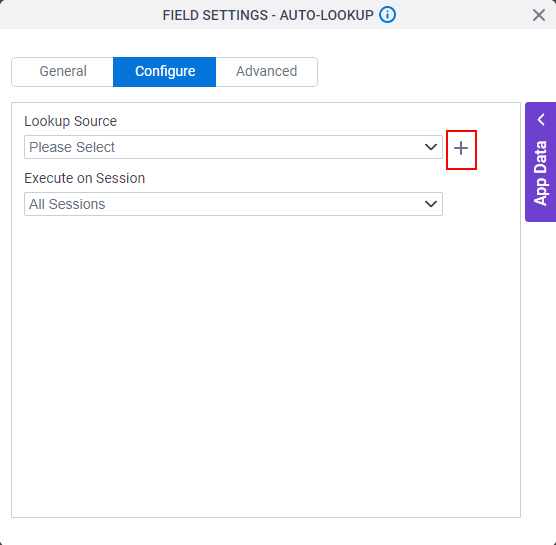
On the Auto-Lookup form control configuration screen, on the Configure tab,
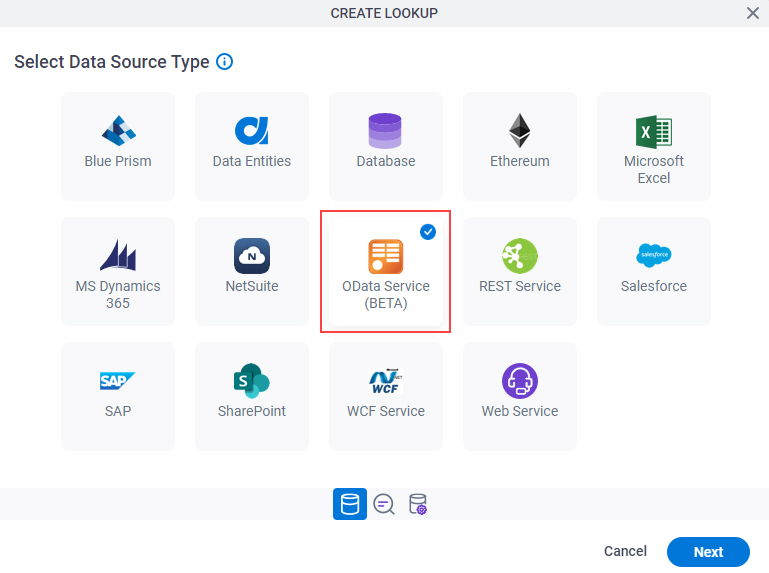
click Add Lookup.
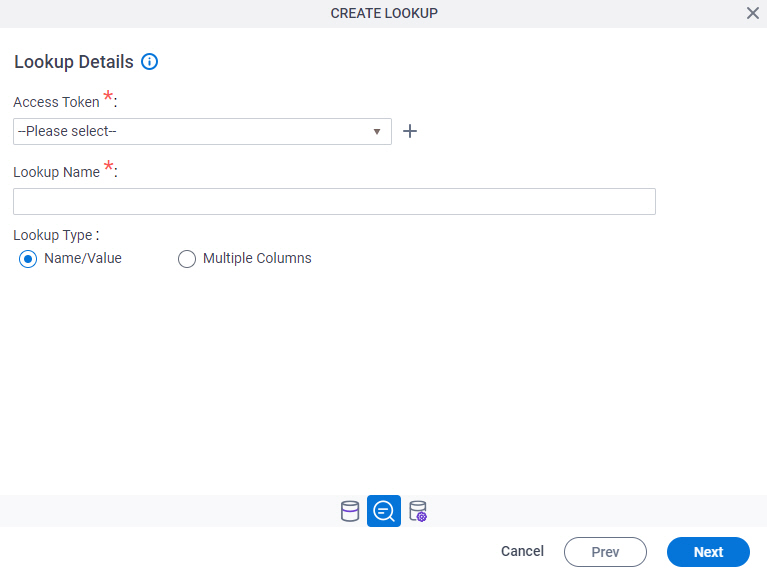
A list of access tokens configured for your environment.
Default Value:
None
Accepts Variables:
No
Example:
This is a common configuration field that is used in many examples. Refer to:
Examples - Step-by-step use case examples, information about what types of examples are
provided in the AgilePoint NX Product Documentation, and other resources where you
can find more examples.
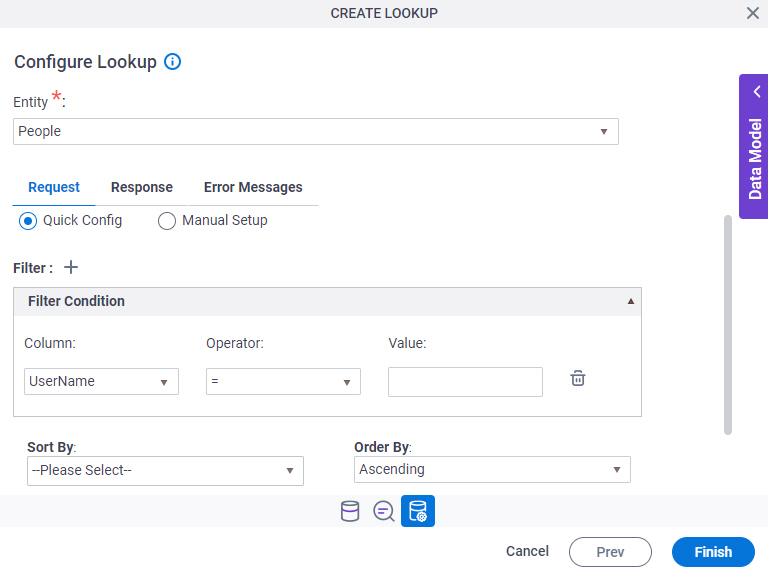
On the Configure Lookup screen,
in the Entity list, select an
entity.
Allowed Values:
Quick Config - Configures the conditions to use in your query to filter the entity sets.
Manual Setup - Specifies a query string to filter the entity sets.
Default Value:
Quick Config
Add Filter
Function:
Adds a row to configure a condition for the filter.
To Open this Field:
On the Configure Lookup screen,
in the Entity list, select an
entity.
Expand
Function:
Shows the field list options.
To Open this Field:
On the Configure Lookup screen,
in the Entity list, select an
entity.
Collapse
Function:
Closes the field list.
To Open this Field:
On the Configure Lookup screen,
in the Entity list, select an
entity.
Column
Description:
Specifies the name of the entity property
to use in your query.
To Open this Field:
On the Configure Lookup screen,
in the Entity list, select an
entity.
Click Add Filter.
Allowed Values:
An entity property from the list.
When you select an entity from the Entity field,
this field shows the entity property names associated with the entity.
Default Value:
None
Operator
Description:
Specifies the operator to use in the filter.
To Open this Field:
On the Configure Lookup screen,
in the Entity list, select an
entity.
Click Add Filter.
Allowed Values:
=
!=
>
>=
<
<=
Contains
Does Not Contain
Starts With
Ends With
Default Value:
=
Value
Description:
Specifies the value for the entity property to use in the filter.
To Open this Field:
On the Configure Lookup screen,
in the Entity list, select an
entity.
Click Add Filter.
Allowed Values:
A valid column value.
Default Value:
None
Accepts Variables:
Yes
Limitations:
Some information about
third-party integrations
is outside the scope of the AgilePoint NX Product Documentation. It is the responsibility
of the vendors who create and maintain these technologies to provide this information.
This
includes specific business use cases and examples; explanations
for third-party concepts; details about the data models and input and output
data formats for third-party technologies; and
various types of IDs, URL patterns, connection string formats,
or other technical information that is specific
to the
third-party technologies.
For more information, refer toWhere Can I Find Information and Examples for Third-Party Integrations?
Select Nest Type
Description:
Specifies the AND and OR logical operators to filter the lookup.
To Open this Field:
On the Configure Lookup screen,
in the Entity list, select an
entity.
Click Add Filter.
Allowed Values:
AND - Specifies the AND operator.
OR - Specifies the OR operator.
Default Value:
And
Delete
Function:
Deletes the selected row.
To Open this Field:
On the Configure Lookup screen,
in the Entity list, select an
entity.
Click Add Filter.
Sort By
Description:
Specifies the name of the entity property
to make a sequence for the query results.
To Open this Field:
On the Configure Lookup screen,
in the Entity list, select an
entity.
Allowed Values:
An entity property from the list.
When you select an entity from the Entity field,
this field shows the entity property names associated with the entity.
Default Value:
None
Order By
Description:
Specifies the sort order for the result set.
To Open this Field:
On the Configure Lookup screen,
in the Entity list, select an
entity.
Allowed Values:
Ascending - Sorts the entity sets in ascending order.
Descending - Sorts the entity sets in descending order.
Default Value:
Ascending.
Top
Description:
Specifies to only retrieve the specified number of entity sets,
starting with the first result.
To Open this Field:
On the Configure Lookup screen,
in the Entity list, select an
entity.
Allowed Values:
An integer.
Range:
Greater than 0
Default Value:
None
Skip
Description:
Specifies a number of entity sets
from the first result not to retrieve.
To Open this Field:
On the Configure Lookup screen,
in the Entity list, select an
entity.
On the Configure Lookup screen, click Manual Setup.
Allowed Values:
One line of text (a string).
Accepted:
Letters
Numbers
Special characters
Not Accepted:
Spaces
Default Value:
None
Accepts Variables:
Yes
Limitations:
Some information about
third-party integrations
is outside the scope of the AgilePoint NX Product Documentation. It is the responsibility
of the vendors who create and maintain these technologies to provide this information.
This
includes specific business use cases and examples; explanations
for third-party concepts; details about the data models and input and output
data formats for third-party technologies; and
various types of IDs, URL patterns, connection string formats,
or other technical information that is specific
to the
third-party technologies.
For more information, refer toWhere Can I Find Information and Examples for Third-Party Integrations?
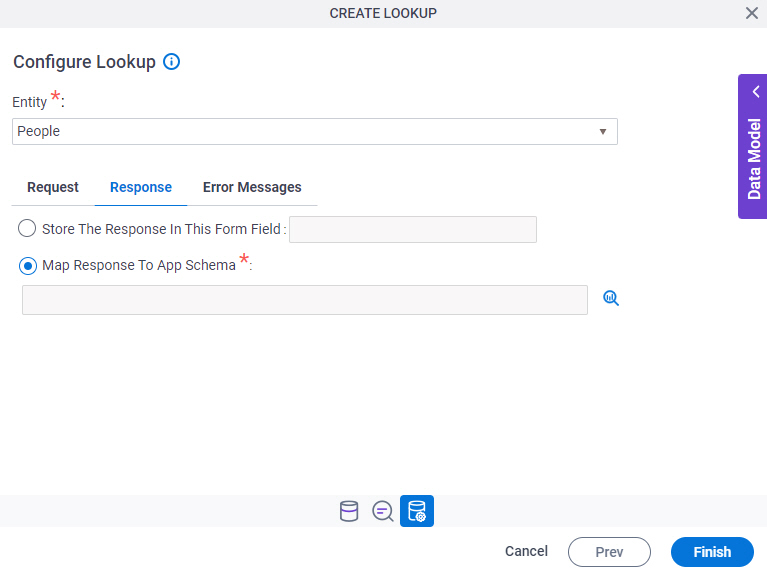
Configure Lookup > Response tab
Connects the response data from the
OData call
to your app.
Store The Response In This Form Field – Select this option if you expect OData to return only one data item.
In the text field, specify a variable
to store the data OData returns.
Map Response to App Schema – Select this option if you expect OData to return more than one data item.
Click the Schema Mapping button to open theSchema Mapper.
Use this screen to connect the response to the data model for your process.
Because the query can return more than one result, the parent node in the
external data source
must be mapped to a node in the AgilePoint NX process schema that is a repeating schema element.
The child nodes in both data models must also be mapped, but child nodes in AgilePoint NX inherit the
repeating behavior from their parent node
Default Value:
Map Response To App Schema
Accepts Variables:
Yes
Limitations:
Some information about
third-party integrations
is outside the scope of the AgilePoint NX Product Documentation. It is the responsibility
of the vendors who create and maintain these technologies to provide this information.
This
includes specific business use cases and examples; explanations
for third-party concepts; details about the data models and input and output
data formats for third-party technologies; and
various types of IDs, URL patterns, connection string formats,
or other technical information that is specific
to the
third-party technologies.
For more information, refer toWhere Can I Find Information and Examples for Third-Party Integrations?
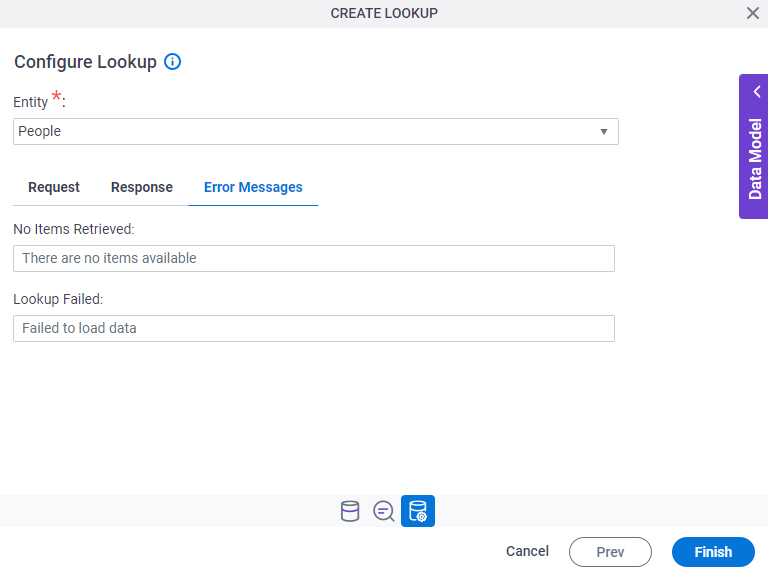
Configure Lookup > Error Messages tab
Configures the message to show if the
lookup does not return any data.